By Aston Cade
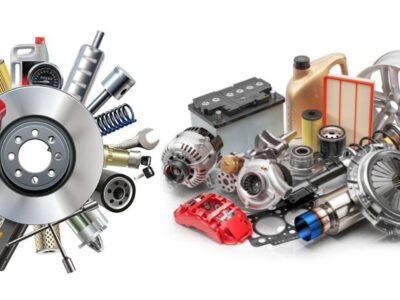
When we think of a vehicle, the first thing that often comes to mind is the sleek design, the smooth engine purr, or perhaps the cutting-edge technology that makes modern cars more than just a means of transport. However, beneath the surface, the magic lies in the intricate world of auto parts—the essential components that work in harmony to keep a vehicle running smoothly and efficiently. These parts, both large and small, are critical to the performance, safety, and longevity of a vehicle. In this article, we will explore the different categories of auto parts, their functions, and their importance, shedding light on why each one deserves attention when it comes to vehicle maintenance.
The Anatomy of a Vehicle: Categories of Auto Parts
At a glance, a vehicle might seem like a unified whole, but upon closer inspection, it reveals itself to be an intricate assembly of various systems and components. Broadly speaking, auto parts can be divided into several categories: engine components, drivetrain and suspension parts, electrical systems, safety parts, and body parts. Each category plays a unique role in ensuring the vehicle’s functionality.
-
Engine Components
At the heart of every vehicle is the engine. It is often considered the soul of the car, as it provides the power needed to propel the vehicle forward. The engine is a complex system, composed of numerous parts that all work together to facilitate combustion, energy conversion, and the mechanical movement of the car. Some of the most important engine components include:
-
Cylinder Head: This part is vital in the combustion process, as it houses the valves, spark plugs, and intake and exhaust ports.
-
Pistons: These are responsible for converting fuel energy into mechanical motion. They move up and down within the cylinders to generate power.
-
Crankshaft: A key part of the engine, it transforms the up-and-down motion of the pistons into rotational motion that ultimately powers the wheels.
Regular maintenance of these parts is crucial to avoid engine failure, which can be expensive and time-consuming to repair.
-
Drivetrain and Suspension Parts
The drivetrain consists of the components that transmit power from the engine to the wheels. This includes the transmission, driveshaft, differential, and axles. Together, these parts determine how well a vehicle accelerates, decelerates, and handles various road conditions.
-
Transmission: This part regulates the power sent from the engine to the wheels, allowing the vehicle to shift gears efficiently.
-
Differential: The differential enables the wheels to rotate at different speeds, a necessity when turning corners.
-
Suspension System: This system comprises the shocks, struts, springs, and control arms. It ensures a smooth ride by absorbing shocks from the road, maintaining tire contact, and enhancing vehicle stability.
Inadequate maintenance of these components can result in poor vehicle performance, excessive tire wear, and reduced driving comfort. It is important to monitor these parts for any signs of wear and tear, such as strange noises or uneven handling.
-
Electrical Systems
Modern vehicles are highly dependent on electrical systems to control various functions, from powering the lights to controlling critical systems like airbags and the anti-lock braking system (ABS). The most crucial parts of the electrical system include:
-
Battery: The battery provides the electrical power necessary to start the engine and power various components when the engine is off.
-
Alternator: This part is responsible for recharging the battery and powering the vehicle’s electrical systems while the engine is running.
-
Starter Motor: The starter motor initiates the engine’s operation by turning over the engine’s flywheel.
With the increasing reliance on electronics in modern vehicles, keeping the electrical system in good working condition is more important than ever. A failing battery or alternator can lead to vehicle malfunctions or, in extreme cases, complete breakdowns.
-
Safety Parts
Safety is a paramount concern for vehicle manufacturers, and numerous auto parts are designed specifically with the intention of protecting the driver, passengers, and pedestrians. Key safety components include:
-
Airbags: These are designed to inflate rapidly during a collision, protecting passengers from impact forces.
-
Braking System: This includes the brake pads, rotors, calipers, and master cylinder, all of which work together to slow and stop the vehicle.
-
Seatbelts: These seemingly simple components are essential for ensuring the safety of passengers in the event of an accident. Their proper function can be the difference between life and death.
Regular inspection of these parts is crucial, as worn-out brake pads or faulty airbags can compromise safety.
-
Body Parts
The body of a vehicle is the exterior frame that protects the internal components from the elements. These parts also play an important role in the vehicle’s overall aesthetics and aerodynamics. Some key body parts include:
-
Frame: The skeleton of the vehicle, it supports all other components, ensuring structural integrity.
-
Bumpers: These are designed to absorb impact during low-speed collisions, reducing damage to the vehicle.
-
Windows and Windshield: These not only provide visibility but also contribute to the vehicle’s safety by withstanding impacts and resisting shattering.
While body parts may not be as critical to the vehicle’s functionality as engine or drivetrain components, they are still essential for maintaining the vehicle’s overall structural integrity and appearance.
The Importance of Quality Auto Parts
When it comes to auto parts, quality matters. While it may be tempting to go for cheap aftermarket parts, these often fail to meet the rigorous standards set by original equipment manufacturers (OEM). OEM parts are designed specifically for your vehicle’s make and model, ensuring that they will fit perfectly and function optimally.
In contrast, aftermarket parts may not offer the same level of reliability and may even lead to premature failure, resulting in costly repairs down the line. It is always recommended to invest in high-quality parts that are guaranteed to last.
Maintaining Your Vehicle’s Auto Parts
Regular maintenance is the key to ensuring that your vehicle’s auto parts continue to function as they should. Routine checks of the engine, brakes, tires, and suspension system can help catch problems before they escalate into major issues. Additionally, regular oil changes, fluid top-ups, and tire rotations will extend the life of your vehicle’s components.
A well-maintained car not only runs more efficiently but also retains its value longer. Furthermore, investing time and money in proper upkeep can prevent potentially hazardous situations on the road.
Conclusion
The world of auto parts is as vast as it is complex. Each component, no matter how small, plays a vital role in ensuring the safety, performance, and longevity of a vehicle. From the engine’s intricate components to the safety systems that protect passengers, every part has a purpose. Understanding and maintaining these parts is not only crucial for vehicle owners but also contributes to the broader safety of the driving public. So, the next time you get behind the wheel, take a moment to appreciate the remarkable symphony of auto parts that work together to make your journey possible.