By Aston Cade
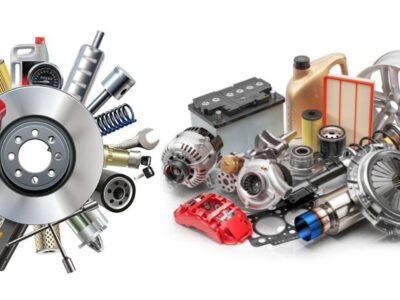
The convenience of shopping for components online has completely transformed the vehicle maintenance landscape. Instead of driving around town hoping a local distributor has your specific component in stock, you can access millions of items with a few clicks. However, this vast digital marketplace brings distinct challenges. Navigating through countless retailers, identifying compatible components, and filtering out substandard items requires a strategic approach. Sourcing high-quality auto parts online demands attention to detail, precision, and an understanding of how the digital automotive supply chain operates. This comprehensive guide details exactly how to secure premium items to keep your vehicle running safely and efficiently.
Decode Your Vehicle Identification Number (VIN)
The single most critical step in avoiding costly ordering mistakes is knowing how to identify your vehicle accurately. Automakers frequently modify internal components midway through a production year. This means two vehicles of the identical make, model, and year could require completely different brake rotors or alternators based on the specific assembly plant or engine package.
Your Vehicle Identification Number (VIN) is a unique 17-character code that serves as your car’s DNA. It contains precise data regarding the manufacturing country, engine size, fuel type, and transmission. You can locate this string of characters on a small metal plate on the driver side dashboard, visible through the windshield, or inside the driver side door jamb.
When utilizing digital catalogs, always input the VIN directly into the system rather than manually selecting the year, make, and model. Advanced search engines will automatically filter out incorrect fitments, saving you from the hassle of returning heavy or fluid-filled packages that do not fit your vehicle.
Distinguish Between OEM, OES, and Aftermarket
Understanding the classification of components is vital when balancing your budget against component longevity. Online retailers group inventory into three primary categories:
-
Original Equipment Manufacturer (OEM): These components are identical to the ones originally installed on your vehicle at the assembly factory. They arrive packaged in the carmaker’s branded boxing. While they offer guaranteed fitment and premium durability, they command the highest price point.
-
Original Equipment Supplier (OES): These parts are built by the same engineering firms that manufacture items for the automakers, such as Bosch, Denso, or Bilstein. The component is structurally identical to the OEM counterpart but is distributed under the manufacturer’s own label, often saving you up to 30%.
-
Aftermarket: These units are developed by independent companies after a vehicle hits the consumer market. Aftermarket options vary dramatically in quality. Premium aftermarket brands often redesign factory components to fix known engineering flaws, while budget-tier aftermarket brands focus strictly on minimizing production costs.
For safety-critical components such as brake systems, steering linkages, and internal engine sensors, prioritizing OEM or OES options is the wisest course of action. For cosmetic trim, lighting assemblies, or accessories, reputable aftermarket options offer excellent value without compromising performance.
Identify and Avoid Counterfeit Operations
The growth of third-party digital marketplaces has made the automotive industry a target for sophisticated counterfeit networks. Fake brake pads made from compressed grass, or substandard oil filters that collapse under engine pressure, pose direct threats to passenger safety. Protecting yourself requires a rigorous verification routine.
Analyze the pricing carefully. If a major distributor lists an ignition coil for $90 and an unverified marketplace seller offers the identical branded unit for $25, the item is almost certainly a counterfeit. True premium components have standardized raw material and manufacturing costs that prevent massive price drops.
Examine the product listing images and text closely. Counterfeit operations frequently harvest low-resolution photos from legitimate corporate websites or use generic stock imagery that fails to show specific component stampings or serial numbers. Look for typos in the text or unusual formatting choices in the product description. Legitimate suppliers invest heavily in professional product listings and clear compatibility data.
When the package arrives, scrutinize the structural integrity of the box. Authentic manufacturers utilize thick, sturdy cardboard with high-fidelity printing, crisp logos, and embedded security features like holographic stickers or unique QR verification codes. Blurry graphics, flimsy packaging, or mismatched serial numbers on the box versus the actual item are clear indicators of a scam.
Evaluate Retailer Infrastructures and Policies
A trustworthy online vendor is defined by its transparency and customer protections. Before committing your financial data to a checkout page, review the operational background of the business.
Investigate Return Frameworks and Restocking Fees
Auto components are heavy and expensive to move. Always locate the return policy page to see who covers the return shipping fees if an item arrives damaged or is incompatible. Reputable platforms provide a clear, hassle-free return window, whereas questionable sellers hide steep 20% restocking fees in the fine print.
Assess Warranty Protection
High-quality mechanical and electrical components come with clear warranty guarantees. Top-tier specialists stand behind their inventory by offering extended or even lifetime replacement warranties on wearable items like ceramic brake pads and suspension components. Avoid any retailer that marks items as final sale or refuses to offer at least a 12-month warranty against manufacturing defects.
Review Customer Support Quality
Test the customer service channels before making a major purchase. See if the company offers direct phone access to certified automotive technicians or a responsive live chat system. A vendor that provides real-time expert support to help you verify part numbers is far more reliable than a generic merchant that only communicates via automated email templates.
Optimize Payment Security and Shipping Selection
The final phase of sourcing parts online centers on secure processing and transit management. When finalizing an order, verify that the checkout URL begins with an encrypted protocol and displays a secure padlock icon. Utilize credit cards or established payment processors that offer robust buyer protection plans, which allow you to dispute transactions easily if a seller ships incorrect or fraudulent items.
Carefully review your shipping options during checkout. If you need a component to fix a primary vehicle that is stuck on jack stands in your garage, paying extra for express, trackable delivery is well worth the investment to avoid long shipping delays.
Furthermore, be aware that ordering components from multiple regional warehouses within a single transaction can cause shipping costs to compound quickly. Group your orders logically to streamline delivery windows and minimize total shipping expenditures.
Frequently Asked Questions
What should I do if a part number has been superseded?
Automakers frequently update component designs to resolve field failures, which changes the original part number. If an online catalog states that a part number has been superseded, verify the new number across multiple official manufacturer databases to ensure it remains completely backwards-compatible with your vehicle year and trim option.
Can I safely purchase remanufactured auto parts online?
Yes, purchasing remanufactured starters, alternators, steering racks, and brake calipers is highly cost-effective and environmentally friendly. Remanufacturing involves stripping a core unit down to its base housing, replacing all internal wearable components with brand new elements, and testing the final product against factory performance specifications.
Why do some online sellers require a core charge?
A core charge is a financial deposit applied to recyclable components like engines, transmissions, and alternators. The seller charges this fee upfront to ensure you return your old, malfunctioning component to them. Once they receive your rebuildable core package, they refund the deposit back to your payment method.
How do I check if a specific aftermarket brand is reliable?
Research automotive forums dedicated entirely to your specific vehicle model. Enthusiast communities share long-term reliability reports and installation feedback regarding specific aftermarket brands, helping you steer clear of manufacturers that produce poor-fitting or short-lived components.
Is it safe to buy electrical sensors from third-party marketplace sellers?
It is generally unwise to purchase critical electrical components, such as mass airflow sensors or oxygen sensors, from unverified third-party marketplace accounts. Modern vehicle computers are incredibly sensitive to voltage fluctuations, and substandard sensors frequently trigger immediate check engine lights due to incorrect internal resistance levels.
How can I verify that an online shop is an authorized distributor?
Navigate to the official global website of the component manufacturer whose product you intend to purchase. Most tier-one manufacturing brands maintain a dealer locator search tool where you can input the name of the online store to verify their official authorized distributor status.