 By Aston Cade
The automotive industry stands as one of the most transformative forces in modern society, shaping the way we live, work, and interact with the world around us. From the invention of the first automobile to the present day, the industry has evolved in remarkable ways, driven by innovation, technological advancements, and an ever-increasing demand for greater efficiency, safety, and sustainability. As we stand at the cusp of another revolution, it’s worth taking a moment to reflect on the industry’s history, its current state, and the trends that will define its future.
A Brief History of the Automotive Industry
The automotive industry’s roots can be traced back to the late 19th century, when Karl Benz introduced the Benz Patent-Motorwagen in 1886, widely regarded as the first practical automobile. Although earlier attempts at creating self-propelled vehicles had been made, Benz’s creation was the first to combine a gasoline engine with a functional chassis, setting the stage for what would become the modern car.
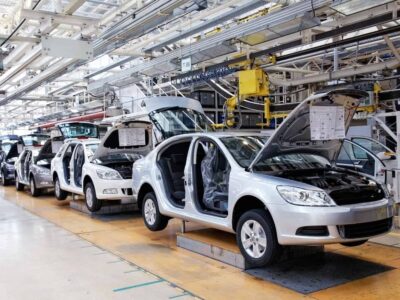
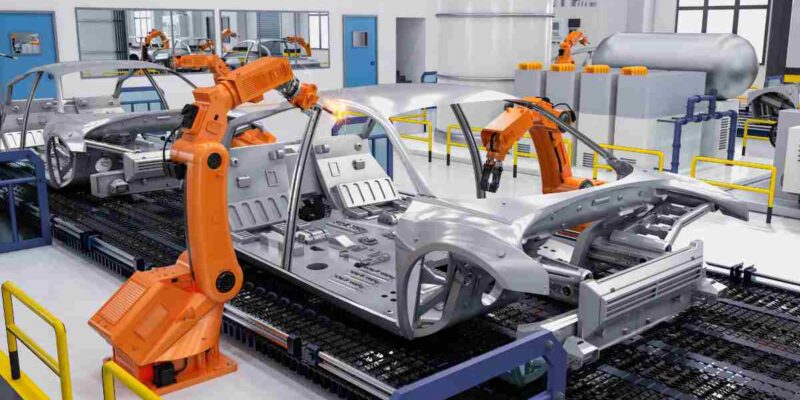
In the early 20th century, mass production revolutionized the industry. Henry Ford’s introduction of the assembly line in 1913 drastically reduced production costs and made automobiles more affordable to the general public. Ford’s Model T became the first car to be produced in large quantities, cementing the automobile’s place as a staple of modern life. The growth of the automotive industry not only brought personal mobility to millions but also spawned an entire ecosystem of businesses—from parts manufacturers to fuel suppliers and repair shops—that would become central to the economy.
Technological Advancements: A Continuous Pursuit of Innovation
The 20th century witnessed a series of technological advancements that transformed automotive design and performance. Innovations such as power steering, air conditioning, and electronic ignition systems made vehicles more comfortable and user-friendly. The introduction of safety features, including seat belts, airbags, and anti-lock braking systems, enhanced vehicle protection and paved the way for the modern era of automotive safety.
However, it was in the latter half of the century that the true impact of technology began to shine. The rise of computer technology in the 1980s allowed for the development of sophisticated onboard diagnostic systems, enabling vehicles to communicate with mechanics more efficiently. By the 1990s, automakers had introduced features like GPS navigation systems, electronic stability control, and traction control, further improving both performance and convenience.
One of the most significant technological breakthroughs in recent decades has been the development of electric vehicles (EVs). In 1996, General Motors introduced the EV1, an electric car that garnered attention for its innovative design but was ultimately discontinued due to various challenges, including limited range and lack of infrastructure. However, the idea of electric mobility never went away. In the early 21st century, Tesla revolutionized the EV market by proving that electric cars could offer long-range performance and a compelling driving experience, paving the way for a wave of new electric vehicles from established automakers.
The Current Landscape: Shifting Priorities and Consumer Demands
Today, the automotive industry is undergoing a profound transformation, driven by several key factors. Consumers are more informed than ever before, placing greater emphasis on vehicle performance, fuel efficiency, and sustainability. With concerns about climate change and air quality rising globally, the demand for cleaner, more energy-efficient vehicles has reached an all-time high. As a result, automakers are investing heavily in hybrid and fully electric models, with several major manufacturers pledging to phase out internal combustion engines in favor of electric alternatives within the next few decades.
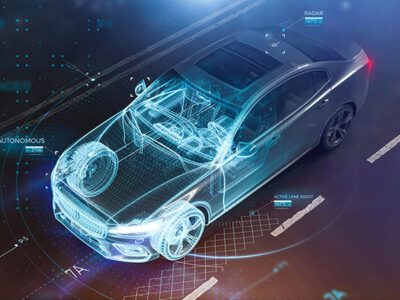
In addition to environmental concerns, advancements in autonomous driving technology are poised to redefine the automotive landscape. Self-driving cars, once a far-fetched dream, are now a reality, with companies like Waymo, Tesla, and others making significant strides toward full automation. These vehicles, equipped with an array of sensors and machine learning algorithms, promise to reduce human error, lower traffic fatalities, and create more efficient transportation systems. However, as exciting as these advancements are, they also raise significant questions about safety, ethics, and the impact on jobs within the industry, particularly for drivers and those involved in transportation-related sectors.
Meanwhile, the rise of connectivity has introduced a new era of smart vehicles. Modern cars are now equipped with advanced infotainment systems, real-time traffic updates, and seamless integration with smartphones. Features like over-the-air software updates allow automakers to continuously improve vehicle performance and fix software bugs remotely. The Internet of Things (IoT) is also becoming more integrated into the automotive experience, with cars becoming increasingly connected to home networks, personal devices, and even other vehicles, all of which contribute to a more personalized, efficient, and enjoyable driving experience.
Sustainability and the Road Ahead
One of the most pressing challenges the automotive industry faces today is the transition to a more sustainable future. The environmental impact of traditional gasoline-powered vehicles has long been a source of concern, contributing to air pollution, climate change, and the depletion of fossil fuels. In response, governments around the world are enacting stricter emissions regulations, providing incentives for electric vehicles, and encouraging the adoption of cleaner technologies.
Electric vehicles (EVs) have emerged as the most promising solution to this challenge. As battery technology continues to improve, EVs are becoming more affordable and practical for consumers. Innovations in solid-state batteries, for example, promise to deliver higher energy densities, faster charging times, and longer lifespans, addressing many of the current limitations associated with lithium-ion batteries. Additionally, the expansion of charging infrastructure is making it easier for drivers to charge their vehicles, further encouraging the shift toward electric mobility.
However, while electric vehicles are an important part of the solution, they are not a panacea. The environmental impact of EV manufacturing, particularly the mining and disposal of lithium and cobalt, remains a concern. Furthermore, the source of electricity used to charge these vehicles is crucial. If the electricity is generated from coal or other fossil fuels, the net environmental benefit of EVs can be diminished.
Beyond electric vehicles, the automotive industry is also exploring alternative fuel sources such as hydrogen, biofuels, and even solar power. Hydrogen fuel cells, which emit only water vapor as a byproduct, offer a potential alternative to traditional combustion engines. However, challenges related to fuel cell infrastructure, production costs, and efficiency must be overcome before hydrogen-powered vehicles can achieve mass adoption.
The Future of Mobility
Looking ahead, the future of the automotive industry is likely to be shaped by the convergence of several trends: electrification, automation, connectivity, and sustainability. The vision of a fully autonomous, electric, and connected transportation ecosystem is becoming increasingly realistic, but it will require significant investments in infrastructure, regulatory frameworks, and public acceptance.
As the industry evolves, so too will the concept of mobility. Shared transportation services, such as ride-hailing and car-sharing, are gaining popularity, especially in urban areas where owning a private car may no longer be necessary or practical. Additionally, innovations in urban planning, such as the development of smart cities, will support more sustainable, efficient, and accessible transportation options.
The automotive industry is at a crossroads, poised for its most significant transformation in over a century. As we look to the future, it is clear that the path forward will not only be driven by technological advancements but also by the collective will to create a more sustainable, efficient, and equitable transportation system for all. The road ahead may be filled with challenges, but it also offers boundless opportunities to shape the future of mobility for generations to come.