 By Aston Cade
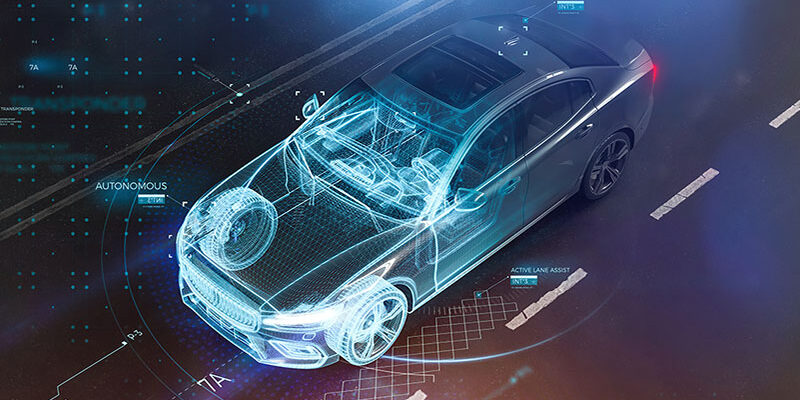
The automotive sector is navigating a period of unprecedented disruption. For generations, vehicular progress was measured by mechanical metrics: displacement, horsepower, and torque. Today, the core of automotive innovation has transitioned from the mechanical garage to the silicon laboratory. Vehicles are rapidly evolving into advanced mobile data centers that feature sophisticated computing networks, sensory arrays, and artificial intelligence systems.
This technological paradigm shift is radically altering the relationship between drivers and their cars. High-tech innovations are rewriting the rules of vehicle operation, safety, and manufacturing, laying the groundwork for an entirely new mobility ecosystem.
Artificial Intelligence and Machine Learning in Vehicle Control
The integration of artificial intelligence (AI) and machine learning algorithms is the foundational catalyst behind modern automotive disruption. Rather than relying entirely on hard-coded software parameters, contemporary vehicles utilize neural networks to process vast streams of environmental data in real time.
High-tech sensor suites consisting of camera arrays, radar modules, and light detection and ranging (LiDAR) units generate gigabytes of data every minute. AI systems interpret this data to construct a dynamic, three-dimensional map of the vehicle surroundings. Machine learning models predict the behavior of nearby pedestrians, cyclists, and other vehicles, enabling active safety features to execute preventive steering or braking adjustments within milliseconds.
Beyond safety applications, AI is transforming cabin personalization. Modern infotainment platforms leverage natural language processing to comprehend complex, contextual voice commands without requiring strict syntax. Predictive machine learning models monitor individual driver habits, automatically adjusting cabin temperatures, seat positions, and navigation routes based on the time of day, current weather patterns, and historical preferences.
Advanced Display Architectures and Augmented Reality Navigation
The traditional instrument cluster is rapidly disappearing, replaced by expansive digital display configurations that span the entire width of the vehicle cabin. These high-resolution glass cockpits offer incredible configuration options, but their ultimate potential is achieved through the integration of augmented reality (AR).
Augmented reality heads-up displays (AR-HUDs) project critical operational information directly onto the windshield glass. Unlike early HUD systems that simply displayed speed numbers in a static box, advanced AR-HUDs align digital graphics precisely with the real-world environment outside the vehicle.
When navigating complex urban intersections, the system projects virtual directional arrows that appear to float directly over the physical lanes the driver needs to enter. If a pedestrian steps off a curb or a vehicle ahead brakes suddenly, the AR interface highlights the hazard with a dynamic overlay, allowing the driver to recognize threats without diverting their gaze from the road ahead.
Biometric Integration and Health Monitoring Systems
As vehicles become more autonomous and connected, automakers are turning their attention toward driver wellness and biometric security. High-tech cabin sensors are turning the driver seat into a continuous health-monitoring environment.
Smart steering wheels and seat fabrics now feature embedded sensors capable of tracking a driver’s heart rate, respiratory patterns, and skin temperature. Infrared camera networks mounted on the steering column or rearview mirror continuously monitor facial expressions, eye blink rates, and head positioning to detect early indicators of driver fatigue or distraction.
If the system determines that the driver is losing focus or showing signs of microsleep, it triggers multi-sensory alerts. The seat belt can vibrate gently, the interior ambient lighting can flash a bright hue, and the climate system can blow a gust of cool air to instantly restore alertness. In extreme scenarios where a medical emergency is detected, such as a driver losing consciousness, the onboard vehicle intelligence can safely guide the vehicle to the shoulder, engage the hazard lights, and contact emergency medical services with precise location data.
Next Generation Steer-by-Wire and Brake-by-Wire Systems
Among the most significant mechanical disruptions taking place inside modern vehicle platforms is the transition toward entirely digital control linkages, commonly referred to as X-by-wire technology.
Historically, the steering wheel and brake pedal were physically connected to the front tires and brake calipers via mechanical columns, shafts, and hydraulic lines. Steer-by-wire and brake-by-wire architectures eliminate these heavy, mechanical connections entirely, replacing them with electronic sensors, high-speed data cables, and powerful electric actuators.
When a driver turns a steer-by-wire wheel, a sensor measures the precise angle and velocity of the input, translating that data into a digital signal sent to an electric steering motor on the axle. This setup allows engineers to program variable steering ratios dynamically. At low speeds, such as when parallel parking, the steering wheel requires very little rotation to turn the tires completely, while at highway speeds, the system tightens up to provide exceptional tracking stability.
Additionally, removing the mechanical steering column frees up substantial front cabin space and eliminates the risk of the column intruding into the passenger compartment during a frontal collision.
High Capacity Over-the-Air Architectural Engineering
The shift toward high-tech vehicular design requires a fundamental overhaul of internal electrical engineering frameworks. Traditional cars utilized dozens of isolated, specialized computers known as Electronic Control Units (ECUs) scattered throughout the chassis, each responsible for a single task like managing electric windows or anti-lock braking.
Modern high-tech vehicles are shifting toward centralized, zonal computing architectures. A small number of ultra-powerful onboard computers handle all major operations, communicating via lightning-fast automotive ethernet networks. This centralized framework is essential for managing the continuous data demands of modern safety systems.
Crucially, this architecture facilitates seamless over-the-air (OTA) updates for the entire vehicle. Rather than visiting a dealership service bay to address software issues or upgrade component features, vehicles can download and install complex firmware packages overnight while parked in a home driveway. These updates can optimize battery efficiency, enhance advanced driver assistance capabilities, or unlock completely new performance profiles, ensuring the vehicle stays relevant long after its initial purchase.
Frequently Asked Questions
What prevents a steer-by-wire system from failing completely if the vehicle loses electrical power?
Steer-by-wire systems are engineered with deep, multi-layered redundancies to ensure continuous operational safety. They feature independent backup batteries, dual or triple redundant data pathways, and secondary electric motors. In the incredibly rare event that a primary component fails, the backup systems instantly engage to maintain full steering control.
How do modern vehicles protect their centralized computing systems from remote cyber threats?
Automakers implement rigorous, multi-layered cybersecurity frameworks designed specifically for automotive networks. These include hardware security modules embedded directly into the central vehicle processors, strict cryptographic encryption for all over-the-air data transmissions, and isolated firewalls that prevent the infotainment system from interacting with critical safety networks like steering and braking controls.
Do high-resolution digital cabin screens consume excessive amounts of vehicle battery power?
Modern automotive displays utilize advanced organic light-emitting diode (OLED) or micro-LED technologies. These advanced screens are exceptionally energy-efficient because they can turn off individual pixels completely when displaying dark colors or black backgrounds, minimizing power draw on the vehicle electrical grid.
Can augmented reality windshield displays cause dangerous visual distractions for the driver?
AR-HUD systems are carefully calibrated to minimize cognitive load and distraction. The digital graphics are projected with a focal distance that matches the road ahead, meaning the driver eye muscles do not need to refocus to read the data. Furthermore, the software dynamically filters information, showing only high-priority safety overlays and contextual navigation prompts while suppressing non-essential data during complex driving maneuvers.
What is the primary operational difference between automotive radar and LiDAR systems?
Radar systems utilize radio waves to detect objects and measure their relative speed, performing exceptionally well in adverse weather conditions like heavy fog or snow. LiDAR systems emit millions of rapid laser pulses to calculate precise distance measurements, allowing the vehicle computing core to generate incredibly detailed, high-resolution three-dimensional shapes of nearby obstacles, though its performance can degrade in heavy precipitation.
How does natural language processing differ from traditional voice recognition in older vehicles?
Traditional voice recognition required drivers to memorize and speak exact script commands, such as stating a specific radio frequency number. Natural language processing utilizes cloud-connected AI models to understand casual, conversational language, allowing a driver to simply say something like, “I am feeling a bit cold,” prompting the vehicle to automatically raise the cabin temperature.