 By Aston Cade
A collision can damage far more than the body panels visible from outside the vehicle. On trucks, SUVs and light commercial vehicles built on a ladder-type chassis, an impact may distort the frame itself. Once that happens, replacing panels alone will not return the vehicle to its correct structure.
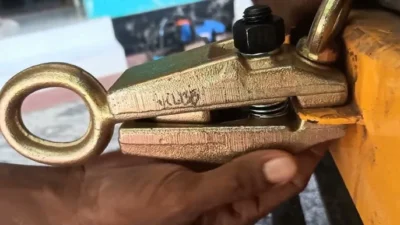
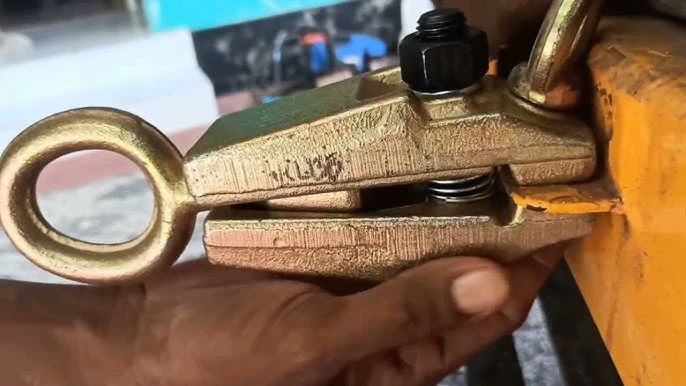
Frame straightening is the process used to assess that damage, hold the vehicle securely and apply controlled pulling forces to bring affected areas back into alignment. During this work, frame pulling clamps secure the vehicle to a repair bench or floor system so it remains stable while technicians carry out measuring and correction work.
The Vehicle Is Assessed Before Pulling Begins
Structural repair starts with inspection and measurement. A technician needs to establish where the frame has moved and how far it is from the required dimensions. Damage may not always be obvious from a visual check, particularly when an impact has altered the position of frame rails or mounting points.
Measurements give the repair team a reference for the work ahead. This helps identify the areas that need correction and allows progress to be checked during the repair, rather than relying on appearance alone.
Secure Anchoring Holds the Frame in Position
Before any pulling force is applied, the vehicle has to be anchored securely. For ladder-frame vehicles, clamps are attached to suitable points on the frame rails or related structural areas, holding the chassis in place on the repair system.
This stage matters because pulling forces need to act on the damaged area without allowing the rest of the vehicle to shift. A stable anchoring setup gives the technician a controlled working position and provides reliable reference points for measurements during the repair.
Vehicles such as pickup trucks, SUVs and commercial vans can require heavy-duty anchoring equipment because their frame construction and repair demands differ from smaller passenger cars. The repair system must suit the type of vehicle being worked on and the extent of the structural damage.
Controlled Forces Correct the Distortion
Once the vehicle is secured and the damaged areas have been identified, pulling equipment is used to apply force in planned directions. Collision damage does not always move metal in one simple direction, so some repairs may require several pulling points or a sequence of corrections.
The technician measures throughout the work to see how the structure is responding. The aim is not simply to make the frame look straighter. It is to bring structural points back into the required position so other repair work can be completed on a correctly aligned base.
In some repairs, damaged sections may also need to be removed and replaced. Secure anchoring remains important during that work because the remaining structure must stay in position while replacement sections are fitted.
Alignment Is Checked Before Repairs Move On
Frame straightening is part of a larger collision repair process. Once the structural work has been completed, measurements are checked again before the vehicle moves on to further repairs, reassembly and any required alignment work.
This is particularly important for work vehicles, trucks and SUVs that may return to regular driving, towing or commercial use after repair. A frame that has not been positioned accurately can affect later stages of the job and create problems that are far harder to correct once the vehicle has been put back together.
For a body shop, the quality of structural repair depends on careful measuring, suitable pulling equipment and a secure anchoring system throughout the work. Frame straightening takes place beneath much of what the customer eventually sees, but it forms the basis of a properly repaired ladder-frame vehicle.