 By Aston Cade
The global automotive sector is undergoing its most profound transformation since the introduction of the moving assembly line. For over a century, the industry focused primarily on mechanical engineering, optimizing internal combustion engines, and improving structural safety frameworks. Today, the foundational architecture of personal and commercial transportation is shifting toward digital integration, software-defined mobility, and sustainable power generation. Driven by rapid technological breakthroughs and shifting regulatory landscapes, these emerging trends are fundamentally changing how vehicles are designed, manufactured, operated, and integrated into modern urban infrastructure.
The Rise of Software Defined Vehicles (SDVs)
Historically, a vehicle’s value and capability were locked in at the moment it rolled off the assembly line. Upgrading performance or adding new features required purchasing a newer model. The emergence of Software-Defined Vehicles (SDVs) has completely broken this paradigm, shifting the primary focus of vehicle development from physical hardware to centralized digital architecture.
Modern vehicles are increasingly built on unified computing platforms that separate the underlying physical hardware from the operational software. This transition enables automakers to distribute over-the-air (OTA) software updates directly to consumer cars. These updates do not just patch infotainment bugs; they can recalibrate battery management systems to extend driving range, modify suspension tuning for a smoother ride, and introduce advanced driver assistance capabilities. Consequently, the vehicle becomes a dynamic consumer product that improves continuously throughout its operational lifespan.
Furthermore, the rise of SDVs has opened up new revenue streams for manufacturers through subscription-based features and services. Consumers can choose to unlock premium features, such as advanced heated seating elements, performance performance modes, or hands-free highway driving assistance, for limited timeframes or long-term ownership, completely altering the traditional automotive retail model.
Accelerated Transition to Next Generation Powertrains
While early electrification efforts focused heavily on basic battery integration into existing chassis designs, the current automotive landscape is moving toward native electric architectures and highly advanced alternative propulsion systems.
Solid State Battery Technology
The current generation of electric vehicles relies almost exclusively on lithium-ion battery chemistry. While highly refined, lithium-ion setups face physical limitations regarding energy density, charging speed, and thermal stability. The industry is aggressively investing in solid-state battery technology to resolve these limitations. By replacing volatile liquid electrolytes with solid ceramic or polymer materials, solid-state batteries offer the potential to double the energy density of a vehicle pack. This breakthrough will dramatically increase driving range while shrinking the physical footprint of the battery housing, reducing vehicle weight, and allowing full charges to occur in less than ten minutes.
Hydrogen Fuel Cell Integration
Electrification via plug-in batteries is highly effective for passenger sedans and light urban commuters. However, heavy-duty commercial shipping, long-haul logistics, and long-distance transport demand different engineering solutions due to payload constraints and continuous operation requirements. Hydrogen fuel cell technology is rapidly emerging as the premier solution for these heavy industries. Fuel cell vehicles convert compressed hydrogen gas into electricity, emitting nothing but pure water vapor. The rapid refueling times, which mimic traditional diesel filling procedures, coupled with long operating ranges, make hydrogen an ideal next-generation powertrain for the global freight network.
Evolutionary Advancements in Autonomous Mobility
The pathway toward fully autonomous transportation has shifted away from sensationalized timelines toward realistic, data-driven deployment strategies. Instead of attempting to jump straight to universal driverless consumer cars, the automotive sector is refining advanced driver assistance systems (ADAS) while deploying fully autonomous tech in specific commercial sectors.
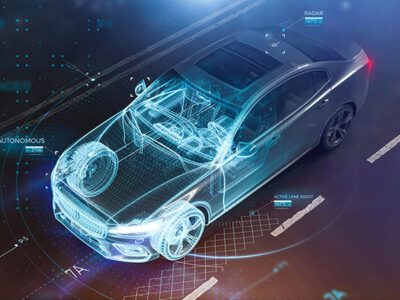
Level 2 and Level 3 automation systems are becoming standard equipment in premium consumer vehicles. These setups combine high-resolution cameras, ultrasonic arrays, radar, and increasingly affordable LiDAR sensors to handle complex steering, braking, and lane-changing tasks under specific conditions, always keeping safety as the top priority.
Simultaneously, fully driverless Level 4 automation is finding commercial success in controlled operating environments. Autonomous robotaxi fleets are expanding their service footprints across major metropolitan areas, navigating complex urban cores with exceptional precision. In the logistics space, autonomous hub-to-hub freight trucking is addressing severe long-haul driver shortages by operating driverless vehicles along dedicated highway corridors, significantly improving freight efficiency and road safety.
The Circular Economy and Sustainable Manufacturing
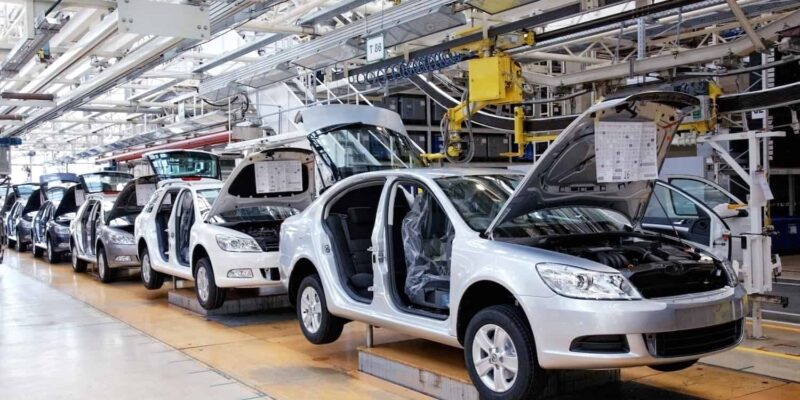
True sustainability in the automotive sector extends far beyond eliminating tailpipe emissions; it requires a radical re-engineering of the entire vehicle manufacturing lifecycle. The global automotive industry is actively adopting circular economy principles to minimize environmental footprints from raw material extraction to end-of-life vehicle disposal.
Major automakers are restructuring their supply chains to incorporate substantial amounts of recycled materials into new vehicle assemblies. Interior cabins are moving away from traditional animal leathers and virgin plastics, replacing them with premium textiles woven from recycled ocean plastics, pulverized cork, and plant-based polymers.
Structurally, closed-loop recycling systems ensure that scrap aluminum and steel from stamping plants are melted down and instantly reused on the production line. Crucially, the industry is building dedicated recycling infrastructures for electric vehicle battery packs. Instead of allowing spent lithium-ion cells to enter landfills, specialized processing facilities are recovering high-value metals like cobalt, nickel, and lithium at purity levels suitable for direct reuse in brand-new battery production.
Cellular Vehicle to Everything (C-V2X) Communication
The future of automotive safety relies heavily on transforming vehicles from isolated machines into highly collaborative nodes within a massive digital ecosystem. Cellular Vehicle-to-Everything (C-V2X) technology utilizes high-speed cellular networks to establish real-time communication channels between moving cars and their surroundings.
-
Vehicle-to-Vehicle (V2V): Nearby cars continuously broadcast their speed, acceleration vector, and braking status to one another. If a car three vehicles ahead slams on its brakes unexpectedly, trailing vehicles are instantly alerted before their drivers can physically see the hazard, allowing automated braking systems to prevent multi-car pileups.
-
Vehicle-to-Infrastructure (V2I): Smart cities are integrating digital transmitters into traffic signals, crosswalks, and roadside signs. Vehicles communicating with this infrastructure can adjust their speeds to catch continuous green lights, reducing urban congestion, or receive real-time warnings about active school zones or hidden construction hazards.
-
Vehicle-to-Pedestrian (V2P): Emerging safety applications enable smartphones to communicate with nearby vehicles, alerting drivers to the presence of pedestrians or cyclists hidden behind blind corners or large obstacles.
Frequently Asked Questions
What exactly distinguishes a Software-Defined Vehicle from a traditional car?
A traditional car relies on fixed hardware components control by isolated electronic control units that cannot be easily modified after manufacturing. A Software-Defined Vehicle utilizes a centralized computer architecture where the software manages, updates, and dictates the performance, safety features, and functional capabilities of the vehicle over time via remote updates.
Will solid-state batteries completely eliminate driving range anxiety?
Solid-state batteries will significantly mitigate range anxiety by offering much higher energy density, which allows for smaller, lighter packs that can travel much farther on a single charge. Furthermore, their capability to accept rapid charging without overheating means drivers can add hundreds of miles of range in roughly the same time it takes to fill a traditional gas tank.
Why is hydrogen preferred over plug-in batteries for long-haul trucks?
Plug-in batteries for long-haul trucks are incredibly heavy and bulky, which directly reduces the maximum payload capacity a commercial truck can legally transport. Additionally, recharging a massive truck battery takes hours, whereas a hydrogen fuel cell truck can be completely refueled in a matter of minutes, keeping the logistics fleet moving efficiently.
What are the distinct levels of autonomous driving systems?
Autonomous driving is classified from Level 0 to Level 5. Level 0 through 2 require continuous driver monitoring and control. Level 3 allows the driver to disengage under very specific conditions but require immediate takeover when prompted. Level 4 systems handle all driving tasks within defined geographic zones without human intervention, while Level 5 represents absolute automation under all driving conditions anywhere.
How does vehicle-to-everything communication improve traffic congestion?
By allowing vehicles to interact directly with urban traffic management networks, stoplights can dynamically adjust their timing cycles based on real-time traffic volume rather than relying on fixed timers. Vehicles can also receive automated routing suggestions to bypass bottlenecked corridors, distributing traffic evenly across municipal grids.
Are recycled materials in modern vehicles as durable as traditional components?
Yes, materials engineered from recycled inputs for the automotive industry undergo identical, rigorous durability and safety testing as virgin materials. Advanced recycling techniques create structural plastics and cabin textiles that meet or exceed factory requirements for UV resistance, wear longevity, and structural impact performance.