 By Aston Cade
Understanding the Transfer Case: The Heart of Your BMW’s AWD System
The Role of the Transfer Case in All-Wheel Drive Performance
The transfer case is a critical component in any all-wheel drive (AWD) or four-wheel drive (4WD) vehicle, including BMWs. It serves as the central hub that distributes power from the engine to the front and rear wheels, enabling optimal traction in various driving conditions. By managing the power distribution, the transfer case plays an essential role in enhancing stability, control, and performance when navigating challenging terrains or inclement weather. In BMW’s sophisticated AWD systems, such as those found in models like the X series, this component ensures a seamless transition between 2WD and AWD, exemplifying both luxury and functionality. The remarkable engineering behind BMW’s transfer case guarantees that drivers experience superior performance, whether accelerating on a dry highway or maneuvering through snow and ice.
Common Issues with BMW Transfer Cases and How They Affect Performance
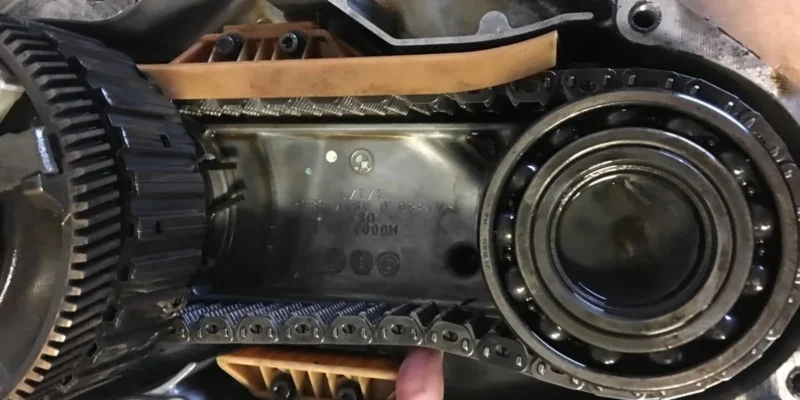
Over time, BMW transfer cases can experience a range of issues that significantly affect performance. Common problems include fluid leaks, worn gears, and failure of the electronic control unit (ECU) that manages the transfer case operation. Fluid leaks can lead to inadequate lubrication, causing excessive wear and tear on internal components, which can eventually result in complete failure. Additionally, worn gears or chain links within the transfer case can lead to grinding noises, poor shifting, and even loss of power to one set of wheels. If the ECU fails, the transfer case may not engage or disengage properly, further complicating driving conditions. These issues not only compromise the vehicle’s performance but can also lead to costly repairs. Understanding these potential failures is crucial for BMW owners to maintain the integrity of their vehicle.
Signs That Your Transfer Case Needs Remanufacturing
Recognizing the signs that your BMW’s transfer case requires remanufacturing can save you from more extensive damage down the line. Drivers should be vigilant for symptoms such as unusual noises like clunking or grinding when shifting gears, difficulty engaging AWD mode, or dashboard warning lights indicating system malfunctions. Additionally, if you notice fluid leaks underneath your vehicle or a burning smell while driving, these are telltale signs of potential transfer case failure. Reduced handling capability, especially during turns or on slippery surfaces, is another critical indicator. Regular inspections and service appointments can help catch these problems before they escalate into costly repairs, making it essential to remain attentive to your vehicle’s performance.
The Benefits of Choosing a Remanufactured Transfer Case
Cost-Effectiveness: Saving Money Without Sacrificing Quality
One of the most significant benefits of opting for a BMW remanufactured transfer case lies in its cost-effectiveness. New transfer cases can be prohibitively expensive, often costing thousands of dollars. However, a BMW remanufactured transfer case offers a high-quality solution at a fraction of the price. These remanufactured units are professionally restored to meet or exceed OEM specifications, ensuring reliability without the hefty cost. This makes them an attractive option for BMW owners seeking to maintain their vehicle’s performance affordably. Furthermore, because remanufacturing involves a thorough process of inspection, cleaning, and replacement of worn components, buyers can trust the quality and durability of the BMW remanufactured transfer case they receive.
Environmental Impact: Why Remanufacturing is a Sustainable Choice
In today’s environmentally conscious world, choosing a remanufactured transfer case is not only a smart financial decision but also a sustainable one. The remanufacturing process minimizes waste and reduces the carbon footprint associated with producing new parts. By recycling components and using less energy compared to manufacturing new items, remanufactured parts contribute to a circular economy. This choice supports less resource-intensive manufacturing processes and reduces landfill waste, ultimately benefiting the planet. By selecting a remanufactured transfer case, BMW owners not only enhance their vehicle’s performance but also participate in a larger movement toward sustainability and environmental responsibility.
Restoration to OEM Standards: What You Should Expect
When considering a remanufactured transfer case, it’s essential to understand the rigorous standards these components are held to. Reputable remanufacturers adhere to Original Equipment Manufacturer (OEM) specifications, ensuring that every part is restored to the performance and reliability you would expect from a new unit. This involves disassembling the transfer case, inspecting all components for wear and fatigue, and replacing any defective parts with high-quality replacements. This meticulous process ensures that the remanufactured transfer case will perform like new, giving BMW owners peace of mind knowing that they are investing in a reliable solution. Additionally, many remanufactured items come with warranties that further guarantee their performance, providing further assurance of their quality.
Choosing the Right Remanufactured Transfer Case for Your BMW
Key Factors to Consider: Compatibility and Specifications
Selecting the right remanufactured transfer case for your BMW requires careful consideration of several key factors, primarily compatibility and specifications. Each model year and trim may have specific requirements, so it is crucial to consult your vehicle’s manual or speak with a trusted mechanic. Compatibility with the vehicle’s drivetrain is non-negotiable; mismatched parts can lead to significant performance issues or complete failure. Additionally, understanding the specifications including gear ratios and mounting configurations will ensure that you select a transfer case that integrates seamlessly with your vehicle’s architecture. Taking the time to research and select the appropriate remanufactured transfer case will not only enhance performance but will also contribute to the longevity of your BMW.
Where to Buy: Trusted Sources for Quality Remanufactured Parts
Finding a reliable source for remanufactured transfer cases is essential to ensure quality and performance. Starting with authorized BMW dealerships can be a safe approach, as they often carry certified remanufactured components. However, many aftermarket suppliers also offer high-quality remanufactured transfer cases at competitive prices. Checking for customer reviews, industry certifications, and warranty options can help narrow down your choices. Reputable online marketplaces, mechanic shops, and specialized auto parts retailers often provide detailed product descriptions along with the history and practices of the remanufacturing process, giving buyers insight into what they can expect. Whether you choose a dealership or an aftermarket supplier, ensure they have a solid reputation to avoid subpar components.
Warranty and Support: Ensuring Peace of Mind with Your Purchase
Warranty options play a crucial role in the purchasing process for remanufactured transfer cases. A robust warranty not only serves as a testament to the manufacturer’s confidence in their product but also provides buyers with peace of mind regarding their investment. Look for warranties that cover both parts and labor for a reasonable duration, as this can significantly alleviate concerns regarding potential future issues. Moreover, quality remanufacturers often provide excellent customer service support, offering assistance with installation advice, troubleshooting, or replacement procedures in case of complications. Ensuring that your chosen supplier has a reliable support system can enhance your overall purchasing experience and ensure you feel supported long after your purchase is complete.
Installation Tips and Best Practices for Your New Transfer Case
DIY vs. Professional Installation: Making the Right Choice
When it comes to installing a remanufactured transfer case, one of the first decisions to make is whether to tackle the job yourself or hire a professional. While the DIY route can save money, it requires a solid understanding of mechanical systems, access to specialized tools, and a significant time investment. For individuals with experience and confidence in their mechanical skills, DIY installation can be a rewarding challenge. However, BMWs have complex systems that may require unique tools and knowledge, and a professional mechanic may better understand specific manufacturer protocols. Consider factors such as your skill level, the availability of tools, and the time you can dedicate to the project when making your decision. Whichever route you choose, ensure the installation is executed with precision to guarantee the optimal performance of your new transfer case.
Post-Installation Checks: Ensuring Optimal Performance
After installing your remanufactured transfer case, conducting thorough post-installation checks is imperative to verify everything functions correctly. Start by inspecting for any leaks, checking for proper fluid levels, and ensuring that all bolts and connections are tightened to the manufacturer’s specifications. Test driving the vehicle under various conditions, including acceleration and turning, can help identify any potential issues early on. Listen for unusual sounds or feel for any irregularities in the vehicle’s handling, which may indicate further adjustments are needed. Performing these checks diligently not only ensures the proper functioning of the transfer case but also helps identify other potential issues that may need addressing, thereby enhancing the longevity and performance of your BMW.
Maintenance Tips to Extend the Life of Your Transfer Case
Maintaining the health of your remanufactured transfer case is essential for ensuring that it delivers optimal performance over time. Start with regular fluid changes, as the lubricant within the transfer case can degrade with heat and contaminants, leading to increased wear on internal components. Consult your vehicle’s manual for specific fluid change intervals. Additionally, keep an eye out for any leaks or unusual noises; addressing these issues early can prevent more significant problems later. Regularly check the condition of seals and gaskets, as these components can wear out and contribute to leaks. Finally, periodic inspections by a professional mechanic can help catch any potential concerns before they escalate. By committing to regular maintenance, you can significantly extend the life of your remanufactured transfer case while ensuring your BMW maintains its renowned performance standards.